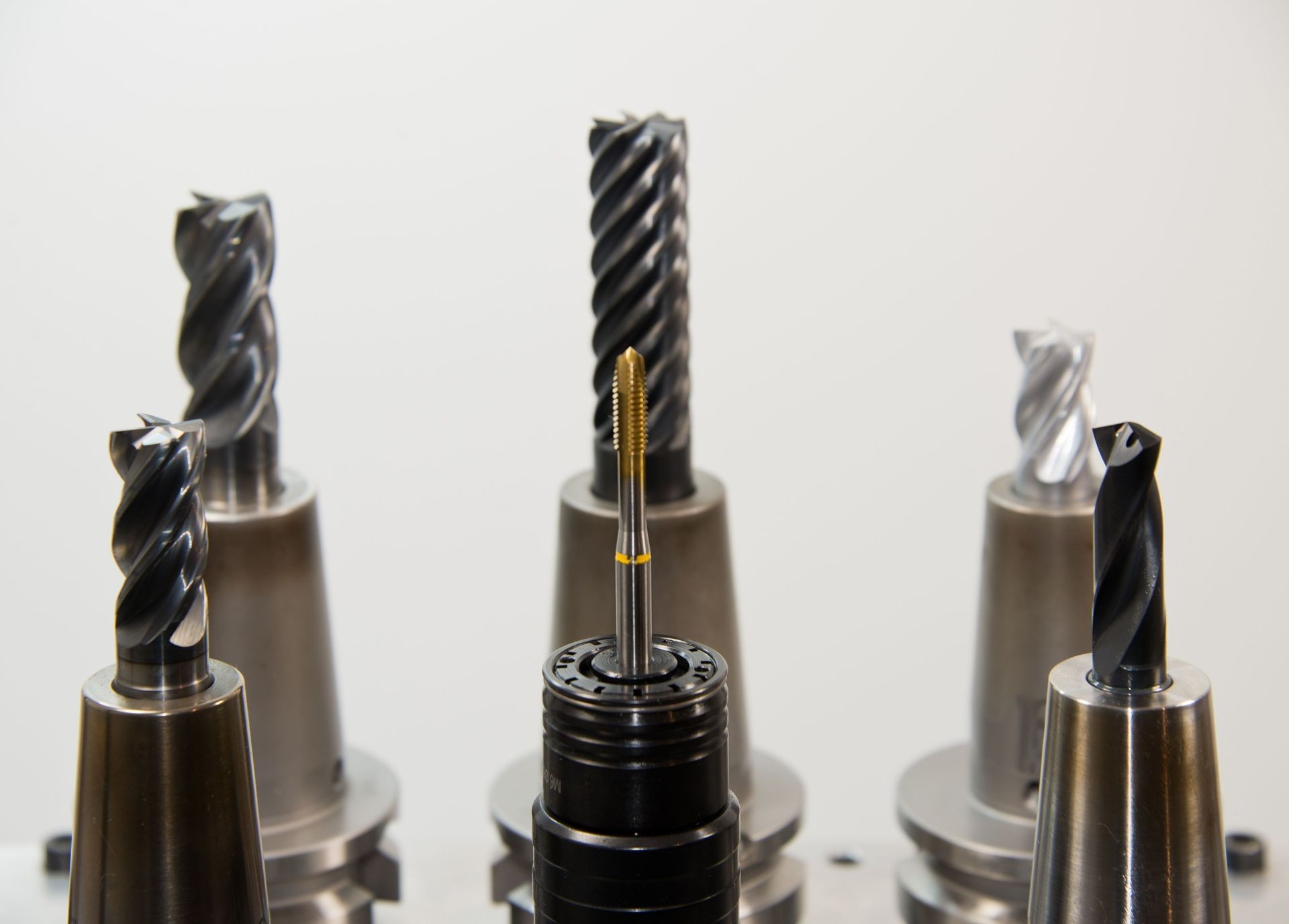
Proliferation Financing Isn't as Exotic as It Looks: PF Relevance for the IOM
The FSA has placed proliferation financing squarely on our radar over the last few years. It's one of the hardest parts of AML/CFT to translate from exotic to relevant. Firms are aware and training on it, but the material tends to arrive as a briefing about weapons of mass destruction, nuclear centrifuges, state actors in Pyongyang or Tehran and stops there. Obviously, it's accurate, but nobody sitting at a desk in the Isle of Man processing a client file is going to draw a straight line from that briefing to what's actually in front of them.
The Island's own Proliferation Financing NRA, published July 2026, reflects that instinctive reaction: almost no direct exposure to UN-designated PF states, and very limited domestic trade in dual-use goods. If our mental model of PF risk is a container ship or a centrifuge component crossing Island customs, we'd be right to conclude it barely touches us.
That said, the same assessment rates the Island's overall residual PF risk as Medium Low, not zero, and it's explicit that low reporting numbers shouldn't be read as reassurance. PF is covert by design. As with many instances of financial crime, it gets caught through intelligence and pattern recognition, not through firms noticing something obviously wrong and filing a report.
So what do we do with a non-zero risk that doesn't look like anything in the textbook example?
Two things: relevance and context. We need to know where PF shows up in the work we're already doing, so it can be caught and we need something we can put in front of staff that isn't a briefing about centrifuges.
Thankfully we can lean on our old friend source of wealth. It's well understood, well embedded and is key to PF relevance.
Building a wealth biography should provide details of the industries, the jurisdictions, the shape of a career or a family's business interests over time. Take a high-net-worth client with an industrial family history, manufacturing solvents somewhere in Africa, say. Nothing about that file looks alarming on first read. It's a legitimate business, generating legitimate wealth. You'd consider CEP status and you'd probably run a Transparency International check on the nations involved, but there's another layer here. Solvents sit close to precursor chemicals for chemical weapons, and that should trigger dual use enquiries.
This is exactly the kind of thing a good source of wealth enquiry is built to surface, if we’re primed to look for it.
If source of wealth is our "in" at relationship level, then source of funds does the same for our transactional awareness.
Every source of funds enquiry already asks two things: where is this money coming from, and what activity generated it. That second question is source of wealth in miniature, aimed at one transaction instead of the whole. If the wealth biography flagged an industrial family history in a dual-use-adjacent sector, it's a lens that should stay switched on every time money moves, because a transaction connected to that same industry, routed through an unfamiliar intermediary or an unexpected jurisdiction, is exactly where a live PF link might surface.
We already have the habit of transaction monitoring dialled in; the key is expanding our frame of reference for the dual use PF triggers we are looking for.
Dual-use goods rarely look dangerous on the surface. GPS modules and industrial control chips that sit inside consumer goods like washing machines can be used nefariously. Recent Russia-sanctions enforcement highlighted exactly that smuggling method, with components pulled from ordinary household appliances.
PF isn't as exotic as it appears. As an IFC, we have a wide window of proximate exposure if we can recalibrate our triggers to look for it.
We don't need to become customs officers or have science PhDs. We simply need to be prepared to ask the right questions and look for the right clues. When something in a wealth biography or a transaction does raise that flag, we already have good reference points to lean on: the UK Strategic Export Control List, which the Island mirrors under the Dual-Use Regulation, the international control lists named in IOM Customs and Immigration guidance, and a UK goods checker tool built for exactly this question.
If we can pivot people's thinking away from weapons and centrifuges to instead spotting potentially dual use goods, we've done our job.